



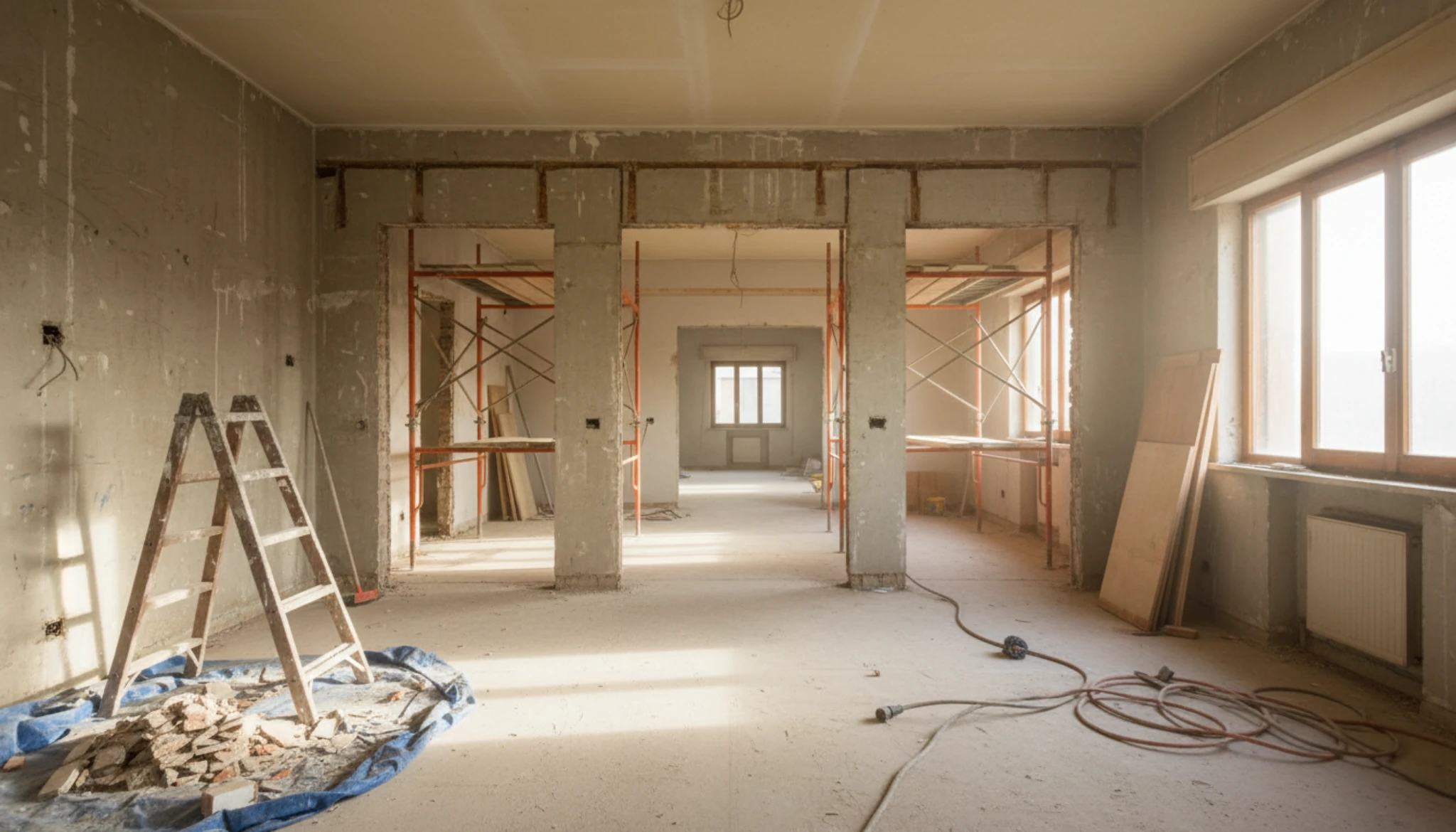
One of the most common frustrations among property owners planning a renovation in Barcelona is uncertainty around timing. Many people underestimate how long renovation projects take, often focusing only on construction works and overlooking planning, permits, and coordination.
In reality, renovation timelines are influenced by several factors that go well beyond what happens on site. Understanding these factors helps set realistic expectations and avoid unnecessary stress once work begins.
Typical renovation timelines in Barcelona
While every project is different, renovation timelines in Barcelona generally fall into the following ranges:
- Partial renovation: 4 to 8 weeks
- Full apartment renovation: 3 to 6 months
- Renovation involving structural works: 6 to 9 months
These timeframes refer to the construction phase only and assume that planning, design, and permits have already been completed.
Projects that feel “delayed” are often projects where these preliminary phases were not properly accounted for from the start.
The phases that define a renovation timeline
To understand how long a renovation really takes, it helps to break the process into phases.
1. Initial assessment and planning
This phase includes site inspections, technical assessments, and defining the scope of works. In older buildings, common in Barcelona, this stage is particularly important, as hidden issues are often discovered only after a careful review.
This phase typically takes 2 to 4 weeks, depending on the complexity of the property and the clarity of the client’s objectives.
2. Design, scope definition, and budgeting
Once the initial assessment is complete, layouts, materials, and technical solutions are defined. Decisions made here have a direct impact on both cost and timeline.
Rushed or incomplete design stages often lead to changes during construction, which are one of the main causes of delays.
This phase can take 2 to 6 weeks, depending on how quickly decisions are made.
3. Permits and approvals
In Barcelona, many renovation projects require municipal permits. The approval timeline varies depending on the type of works:
- Minor works permits may take a few weeks
- Major works permits involving structural changes can take several months
This phase is often underestimated but is critical to the overall timeline. Construction cannot legally begin without the appropriate approvals.
4. Construction works
Once permits are approved, construction begins. During this phase, coordination between trades becomes essential. Electrical, plumbing, carpentry, and finishing works must follow a precise sequence.
Unexpected issues, such as outdated installations or structural irregularities, can affect progress, especially in older buildings.
5. Final inspections and handover
The final phase includes inspections, corrections, and completion of any remaining details. In some cases, final certifications or approvals are required before the project is considered complete.
This phase typically takes 1 to 2 weeks, but should never be rushed.
Factors that commonly extend renovation timelines
Several factors can lengthen renovation projects if not managed carefully:
Late design changes
Changing layouts, materials, or finishes during construction almost always results in delays.
Material availability
Custom elements or imported materials can have longer lead times, especially during peak construction periods.
Building constraints
Shared buildings may impose restrictions on working hours, waste removal, or noise, all of which can slow progress.
Coordination complexity
The more trades involved, the more critical coordination becomes. Poor sequencing often leads to idle time on site.
Why realistic timelines matter
Unrealistic timelines create unnecessary tension between clients and contractors. When expectations are misaligned, even well-executed projects can feel problematic.
A realistic timeline:
- allows better budgeting
- reduces decision pressure
- improves overall project quality
Experienced renovation teams spend more time planning precisely because it prevents delays later.
Practical advice for property owners
If you are planning a renovation in Barcelona:
- Allow sufficient time for planning and permits
- Avoid committing to fixed move-in dates too early
- Finalise material and layout decisions before construction starts
- Expect some flexibility, especially in older buildings
Conclusion
Renovation projects in Barcelona take time not because construction is slow, but because successful outcomes depend on planning, coordination, and regulatory compliance. A realistic timeline considers every phase of the process, not just the work on site.
Understanding this from the beginning helps ensure a smoother renovation experience and better long-term results.